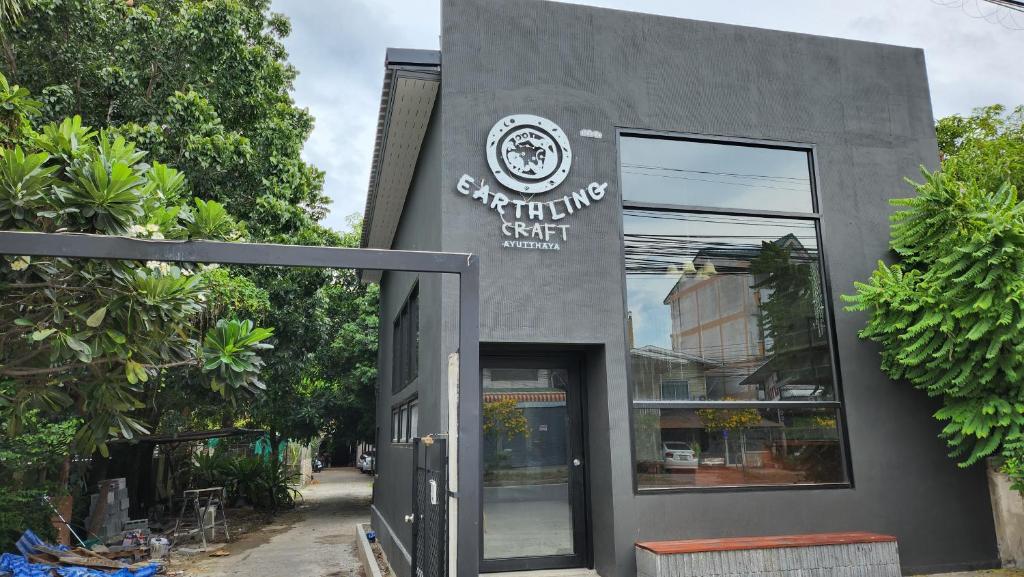
Guesthouse in The east bank
Baan Canalee
Kitchenettes, a garden and free bikes on the east bank
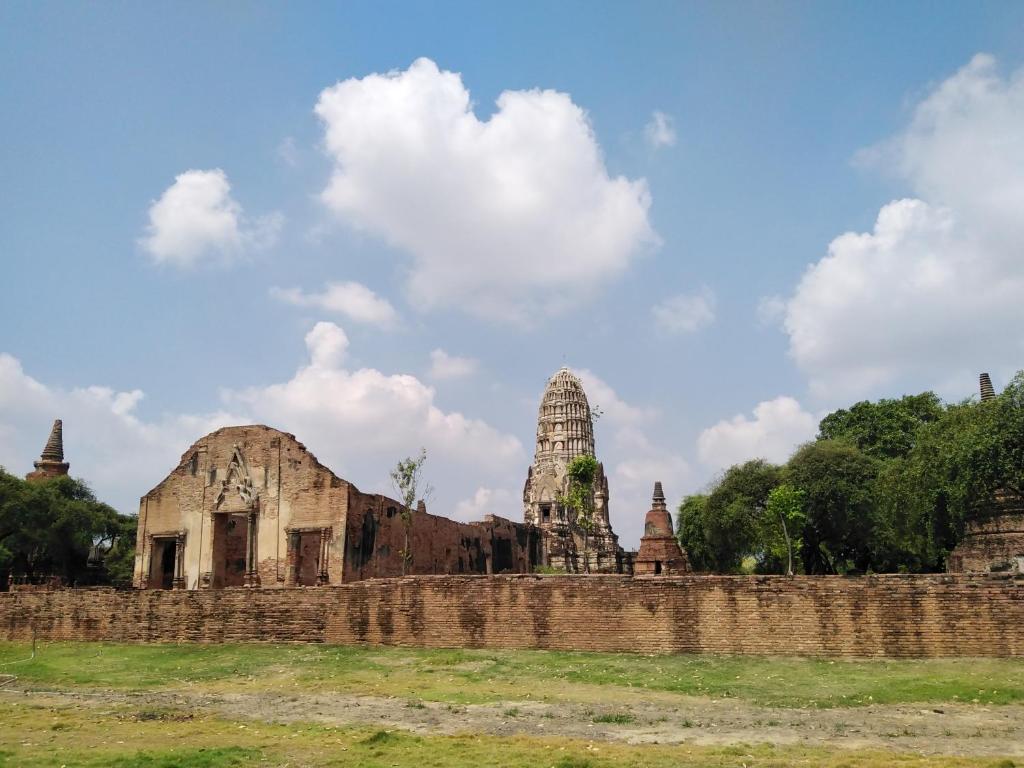
See today's offersAyutthaya was the capital of the Kingdom of Siam for more than four centuries, until it was sacked in 1767. Its ruined temples, brick chedis and Buddha statues are now a UNESCO World Heritage Site, spread across an island ringed by three rivers, about 80 km north of Bangkok.
Many people visit on a day trip, but staying a night or two lets you see the ruins in the soft morning light, cycle between temples before the heat builds and catch the floodlit ruins after dark. The places we list are mostly small guesthouses on the eastern side of the island, within walking or cycling distance of Wat Mahathat.
8 hotels
Guesthouse in The east bank
Kitchenettes, a garden and free bikes on the east bank
See today's offersGuesthouse in The historic island
A simple, central guesthouse with terraces
See today's offersGuesthouse in The historic island
An adults-only garden retreat with a pool
See today's offersHotel in The historic island
Traditional Thai architecture, ten minutes from the ruins
See today's offersHotel in The historic island
Practical family rooms, with your own washing machine
See today's offersGuesthouse in The historic island
Garden balconies a short walk from the ruins
See today's offersHostel in The historic island
A sociable hostel eight minutes from Wat Mahathat
See today's offersHotel in The historic island
Garden views and a free Asian breakfast
See today's offersNo hotels match all of those filters. Remove a feature or choose another area to see more.
"Our order" puts hotels we have fully written up first. Commission doesn't affect the order.
The historic centre sits on an island formed by the Chao Phraya, Pa Sak and Lopburi rivers. Most guesthouses cluster on its eastern side, with a few more across the river on the east bank near the railway station.
Best for temples and cycling
Staying on the island puts the main ruins within cycling distance. Wat Mahathat, with its famous Buddha head in the tree roots, and Wat Ratchaburana are close to the eastern guesthouse streets, while Wat Phra Si Sanphet and the Historical Park lie a little further west.
The eastern edge of the island, around Naresuan Road and the streets near Chao Phrom market, has most of the guesthouses, cafes and bike-hire shops. It's lively in a low-key way, with evening food stalls and easy tuk-tuk rides to the station.
Best for the station and Wat Yai Chaimongkol
Across the Pa Sak River, the east bank is home to the railway station and the giant reclining Buddha and chedi of Wat Yai Chaimongkol. It's quieter and more residential, a good choice if you're arriving by train or prefer a peaceful garden setting. A short ferry crossing near the station links it to the island.
Further out, Wat Phanan Choeng, with its huge seated Buddha, sits by the river to the south-east, and the ruins of Wat Chaiwatthanaram, one of the most photographed in Ayutthaya, lie on the west bank opposite the island. Both are easiest to reach by tuk-tuk or as part of a boat tour.
One full day covers the main temples, but an overnight stay lets you visit in the cooler early morning and see the ruins lit up in the evening.
Trains run regularly from Bangkok and take around 1.5 to 2 hours. Minivans and taxis are also available, and some visitors arrive by river cruise.
Yes. The island is flat, and most guesthouses rent or lend bikes. It gets very hot by midday, so start early and carry water.
Many of the main temple ruins charge a small entry fee, and combined passes are sometimes sold. Some smaller sites are free.
For many visitors, yes. Tour groups from Bangkok arrive mid-morning and leave in the afternoon, so early mornings and evenings are quieter, and several ruins are floodlit after dark.
November to February is the coolest and driest period. March to May is very hot, and the rainy season can bring flooding to low-lying areas.